


President Carter’s Inspiring Model of Civic Leadership
His post-presidency demonstrated a special combination of bold aspiration coupled with strategic, detailed, and sustained execution.
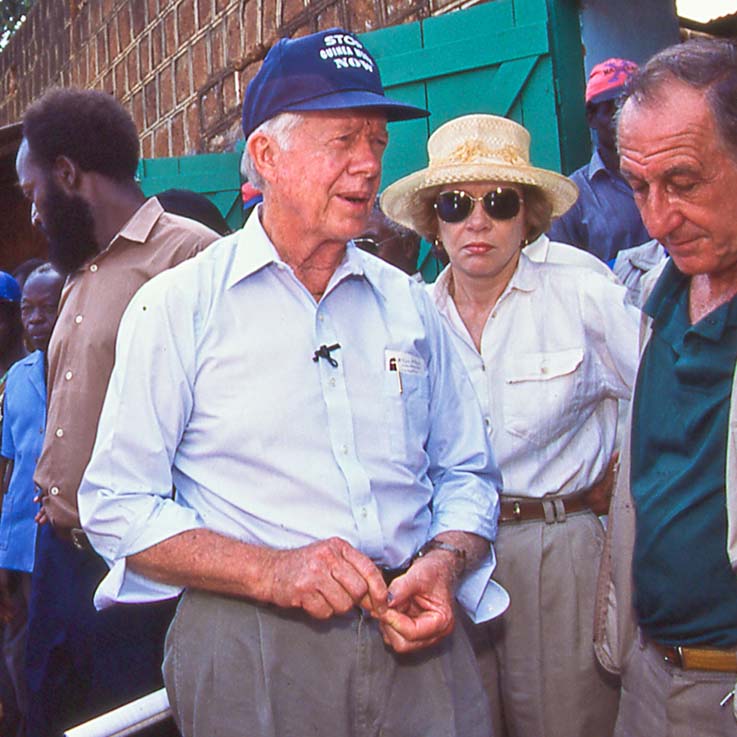
His post-presidency demonstrated a special combination of bold aspiration coupled with strategic, detailed, and sustained execution.


The climate-driven wildfire crisis calls for a comprehensive, cross-sector approach to funding, research, and action.

How AI-driven text and voice analysis can transform impact investing strategies.

Be a real advocate for those we’re trying to serve. Be accountable for impact.
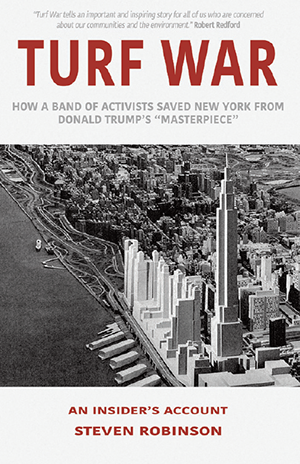
An excerpt from Turf War on opposing Trump’s Television City development in the 1980s


A grassroots movement to revitalize public education in Lebanon has shown promising results—and enabled schools to play a critical role in the violent crisis of recent months.

Innovation stories on social connection, empowering youth, and revitalizing green spaces offer some year-end inspiration.